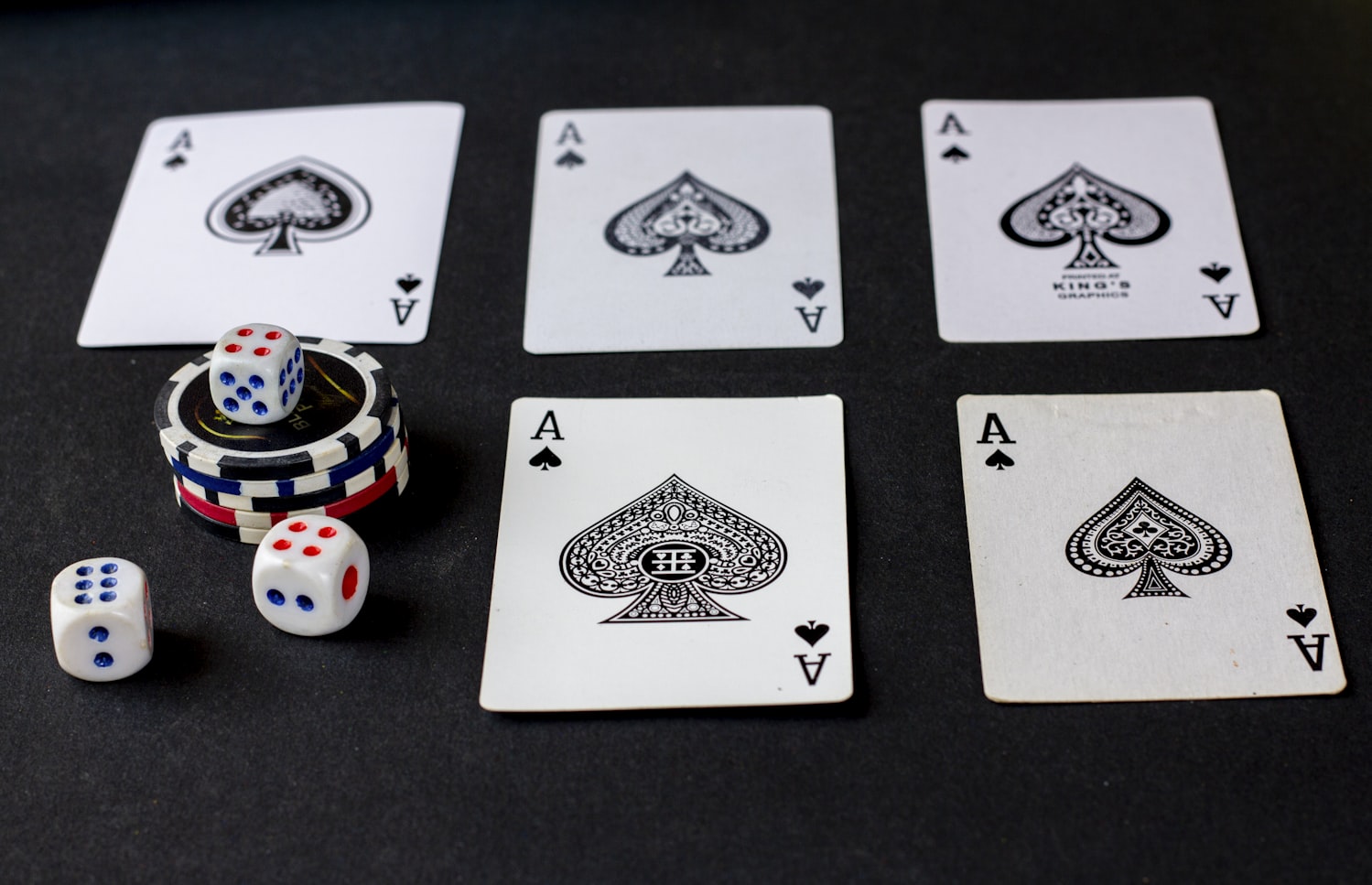


To master the art of bluffing in casino poker, one must first grasp the psychological aspects that drive this strategy. Bluffing is not just about the cards in hand; it involves understanding your opponents’ mindsets, their tendencies, and their reactions to certain behaviors. A successful bluffer often reads body language, facial expressions, and betting patterns to assess whether their opponents are confident, uncertain, or merely pretending to be strong. In addition, players at a fast withdrawal casino canada may find that quick access to funds enhances their overall gaming experience. This psychological warfare is what sets great players apart from the rest, as they can manipulate the emotional state of their rivals to gain an advantage.
Moreover, the key to effective bluffing lies in timing. Knowing when to bluff is as crucial as the act itself. Many players believe that bluffing should be a regular part of their strategy, but this can lead to predictability and decrease the effectiveness of the bluff. Instead, the best bluffs happen when the situation aligns perfectly, such as when the board presents a believable scenario that supports your story. Understanding the nuances of psychological pressure and the ability to apply it effectively can significantly enhance your bluffing success and create opportunities to capitalize on your opponents’ weaknesses.
The psychological component of bluffing also involves controlling one’s own emotions. A bluffer must remain calm and composed, even when the bluff is challenged. Anxiety or nervousness can betray a bluff, making it essential for players to master techniques to maintain a poker face. This could involve deep breathing, mindfulness, or other relaxation strategies to ensure that one’s emotions do not influence their gameplay. The art of bluffing requires not just an understanding of others but also self-control and utmost confidence, which will eventually reflect in your gameplay and enhance your overall presence at the table.
To execute a successful bluff, a player needs to craft a believable narrative around the hand they are representing. This involves not only the cards they hold but also the community cards and the betting history of the round. For instance, if the community cards suggest a strong flush or straight is possible, a player aiming to bluff should reflect confidence in that scenario. They must bet aggressively to sell the story that they have connected with these cards, prompting opponents to doubt their own hands and fold in fear of losing what they have already invested.
Furthermore, consistency is crucial in maintaining a convincing story. If a player has been conservative in their betting up to a certain point, suddenly making a large bet can raise suspicion. Instead, a well-timed escalation that fits their previous play style will lend credibility to their bluff. Players should also consider the personalities of their opponents; some may be more easily thrown off than others. Adapting the bluff to suit the table dynamics can lead to better outcomes and an increased likelihood of opponents folding their hands.

As part of crafting this narrative, players should not overlook the importance of table image. How others perceive you can affect the success of your bluff. A player known for tight, conservative play can create a more intimidating bluff than someone who is perceived as loose and aggressive. Therefore, considering one’s own reputation at the table and manipulating it can be a vital part of the bluffing strategy, creating an illusion that can sway the decision of other players and enhance the chances of a successful bluff.
Recognizing the opportune moments to bluff is an integral skill in mastering poker. This involves closely observing not just the cards but also the betting patterns and behaviors of other players. A good time to bluff is often when the board texture is favorable for a strong hand to be present but not too obvious. For example, if the board shows three cards of the same suit, it can be convincing to act as though you’ve completed a flush, especially if you can justify your previous betting behavior leading to that moment. This calculated approach makes it more likely that opponents will fold.
Additionally, a player should bluff against opponents who are likely to fold, providing an advantage. It is less beneficial to bluff against players who are known to call down bets liberally. Understanding each player’s tendencies and adjusting your strategy accordingly is essential for effective bluffing. The art of bluffing also ties closely with game flow; if players around the table are passive or tight, it’s often easier to bluff effectively than against a table full of aggressive players who are quick to challenge. This strategic insight is crucial for maximizing the success of bluffing attempts.
Finally, poker is as much about the long game as it is about individual hands. Successful bluffing requires persistence and patience. Players should not over-rely on bluffing but sprinkle it throughout their gameplay. Ensuring the bluff fits into a broader strategy designed to keep opponents guessing will often yield better results than trying to bluff every opportunity. Recognizing when you have an upper hand rather than forcing a bluff can vastly improve your overall success rate, allowing for a more balanced and unpredictable style of play.
Even the most seasoned players can fall victim to common mistakes when bluffing. One of the most significant errors is bluffing too frequently. While bluffing can be a powerful tool, overusing this tactic can lead to predictability, making it easier for opponents to call your bluffs. Balancing bluffs with stronger hands is essential to keep your game unpredictable and maintain your opponents’ uncertainty regarding your playstyle. This balance is critical to establishing a reputation that allows for successful bluffing when the opportunity arises.
Another mistake is not considering the pot odds. If the pot is small relative to the bet being placed, it may not make sense for opponents to fold, regardless of the strength of their hand. Thus, bluffing in situations where the potential gain doesn’t outweigh the risk can quickly become a costly move. Understanding the basic mathematics of poker allows players to make more informed decisions about when a bluff is warranted. Recognizing the risk-reward ratio is vital to crafting a successful bluffing strategy.
Lastly, misreading the table dynamics can lead to disastrous bluffing attempts. It is essential to recognize who the aggressive players are and who might be more timid. Bluffing against a player who has shown strength throughout the hand can often lead to an expensive lesson. Therefore, continually assessing the flow of the game and adjusting your strategy in real-time is vital for effective bluffing in casino poker. The ability to adapt and recognize when to pull back is as important as knowing when to push forward with a bluff.
Improving your bluffing abilities takes time and practice. Engaging in regular poker sessions, whether live or online, will bolster your comfort with bluffing as well as your ability to read opponents. Many players find it beneficial to play with a strategy group, where they can share experiences and analyses of various hands, especially those involving bluffs. Simulation games also allow you to practice bluffing without the risk of losing money, fostering a learning environment that can sharpen your skills.
Additionally, reviewing gameplay can be immensely helpful. Players should take the time to analyze their hands post-game, paying special attention to moments they chose to bluff versus when they chose not to. Understanding the outcomes of these decisions can contribute to honing one’s judgment on when a bluff is likely to succeed. This reflection is crucial for continuous improvement and can highlight patterns or mistakes that can be addressed in future games, ultimately leading to a more refined approach to bluffing.
Finally, consider studying resources dedicated to poker strategy, particularly those focusing on bluffing techniques. Professional players often engage in literature, videos, and masterclasses that cover advanced bluffing strategies. Staying informed about evolving tactics will help maintain a competitive edge at the tables, enhancing your overall skill set as a player and enabling you to bluff with greater effectiveness. The investment in learning can pay dividends in both confidence and success at the poker table.